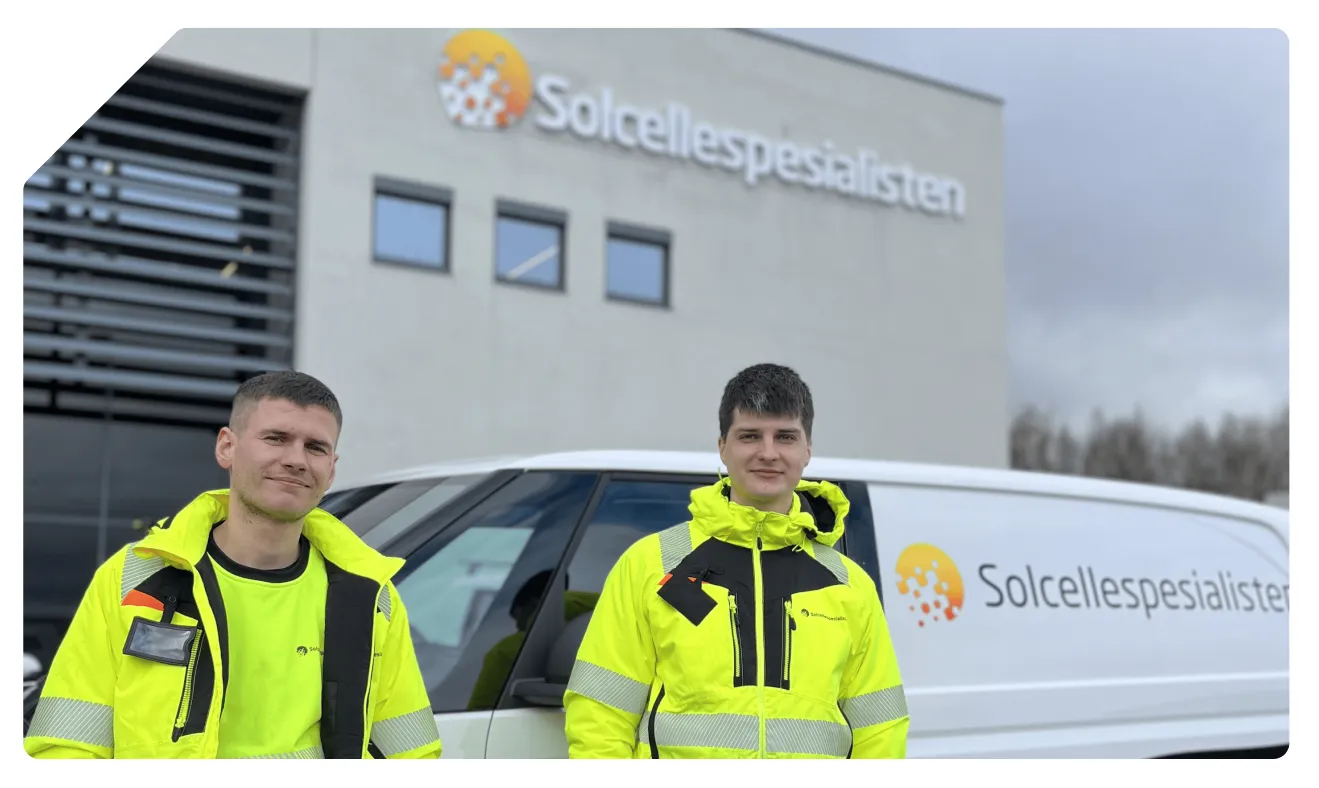
PROVEN EXPERIENCE AND DEEP INDUSTRY KNOWLEDGE
We engineer the energy solutions of tomorrow
Solcellespesialisten has delivered solar in Norway since 2005. In December 2025 EnergiSmart Norge AS bought the commercial division and the brand out of the bankruptcy estate, and carries the name Solcellespesialisten forward. We deliver to commercial buildings, farms, housing co-ops and solar farms.
- Panels installed
- 400,000+
- MW Peak
- 188
- Years of solar in Norway
- 20+
Memberships and certifications






SOLAR ENERGY EXPERTS
Our solar solutions
Solcellespesialisten delivers complete projects for roofs large and small, for agriculture and for large-scale solar farms.
-
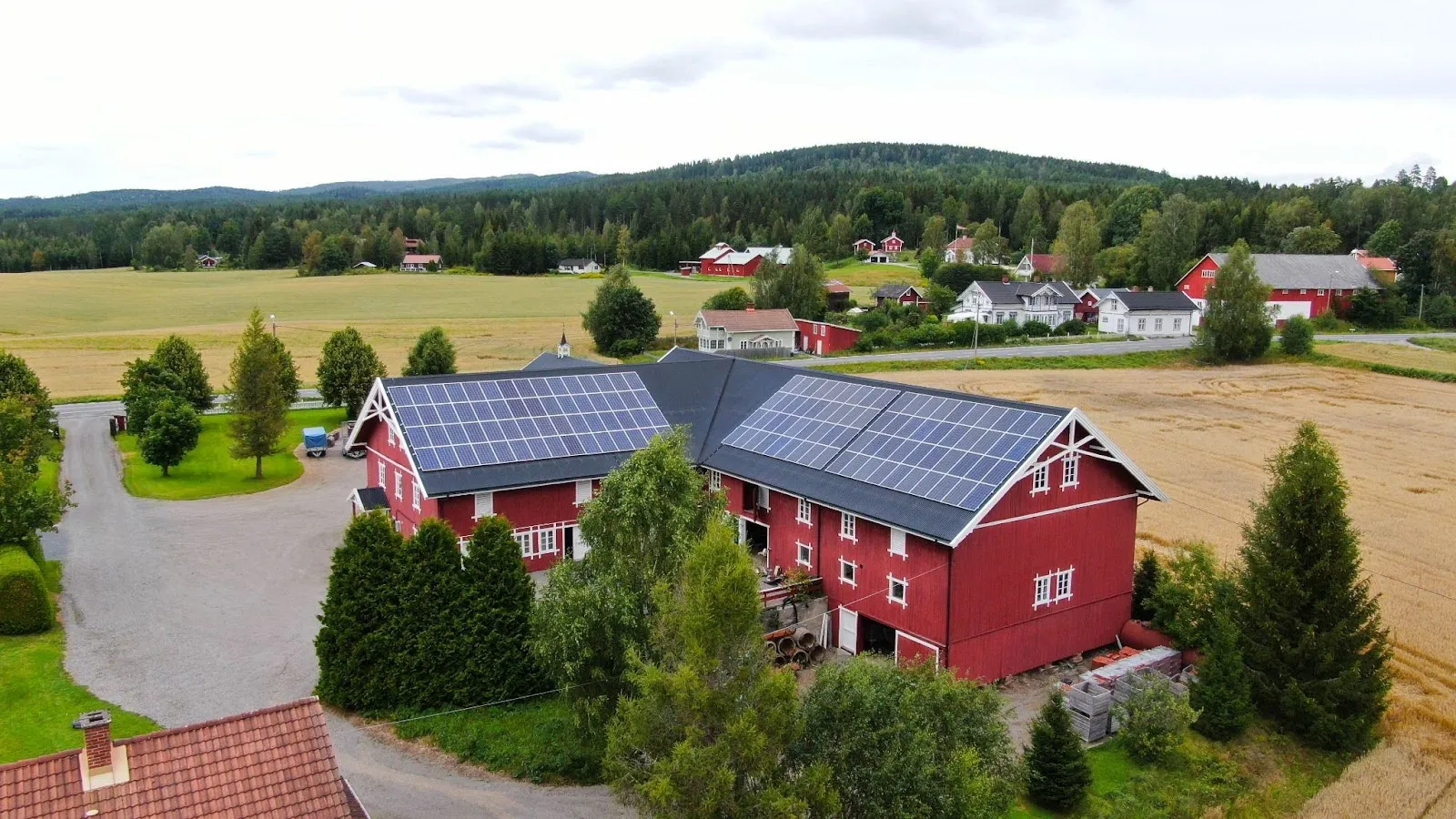
Agriculture
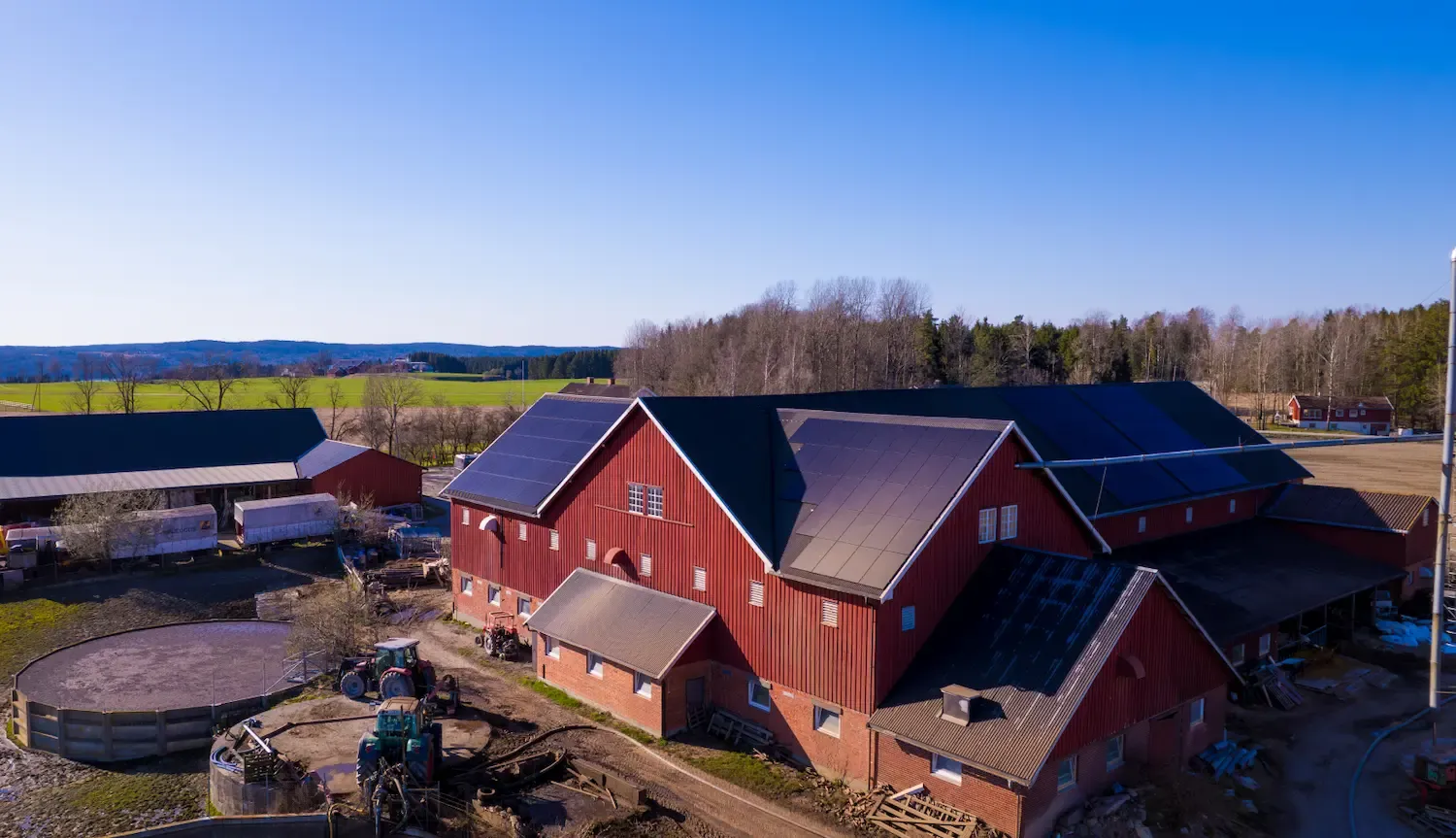
Solar built around the needs of farming
-
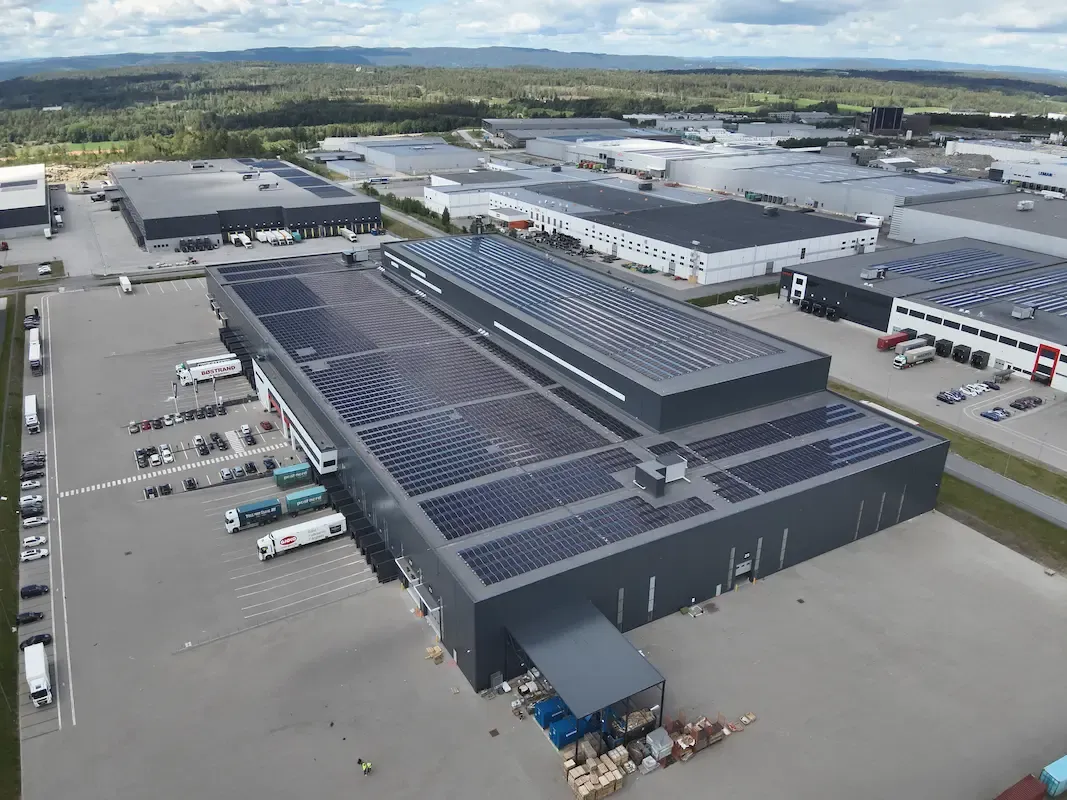
Business
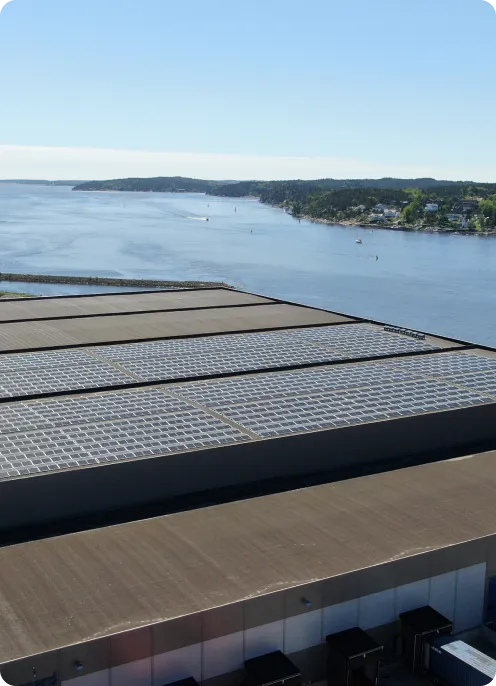
Large-scale generation on roofs of every size
-
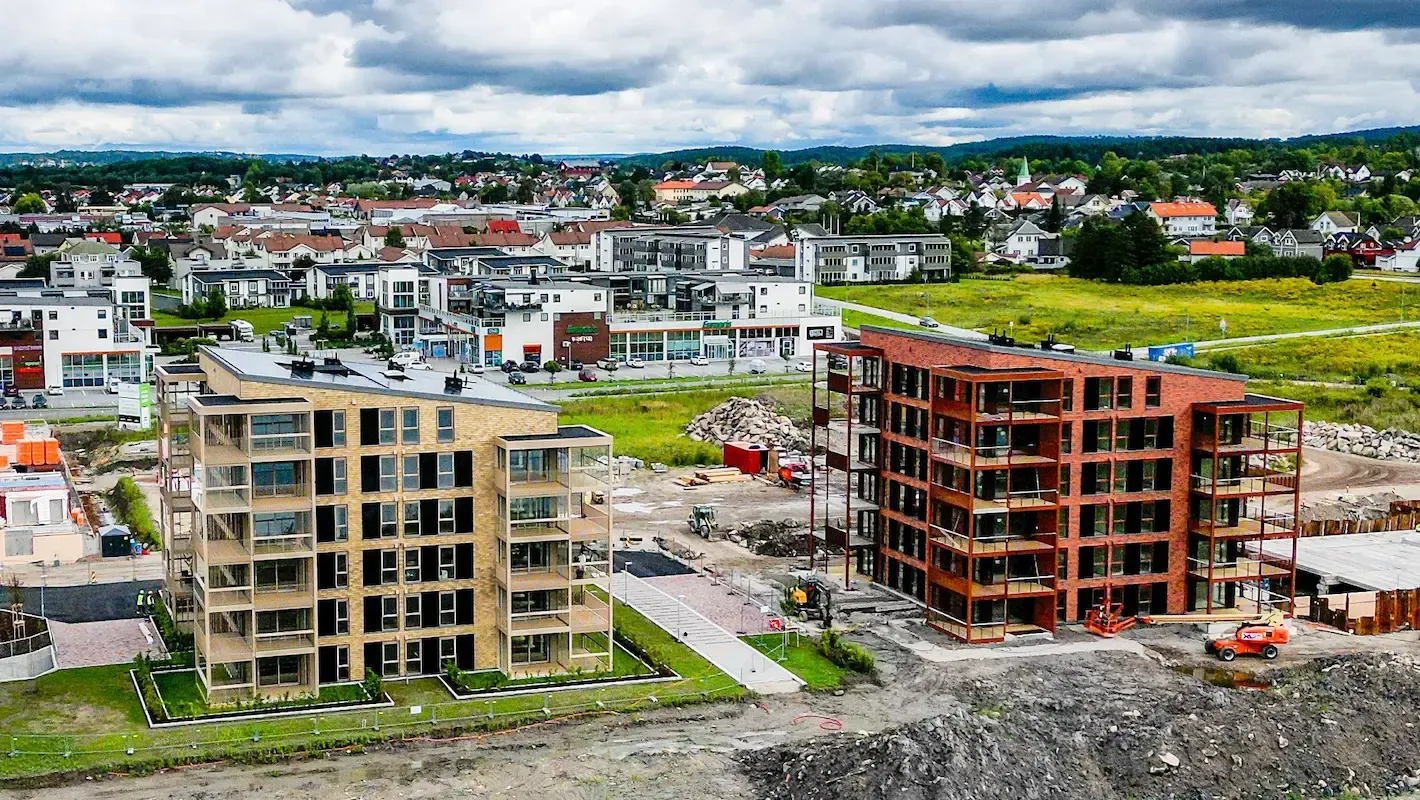
Housing co-ops
Solar on shared roofs, serving many households at once
-
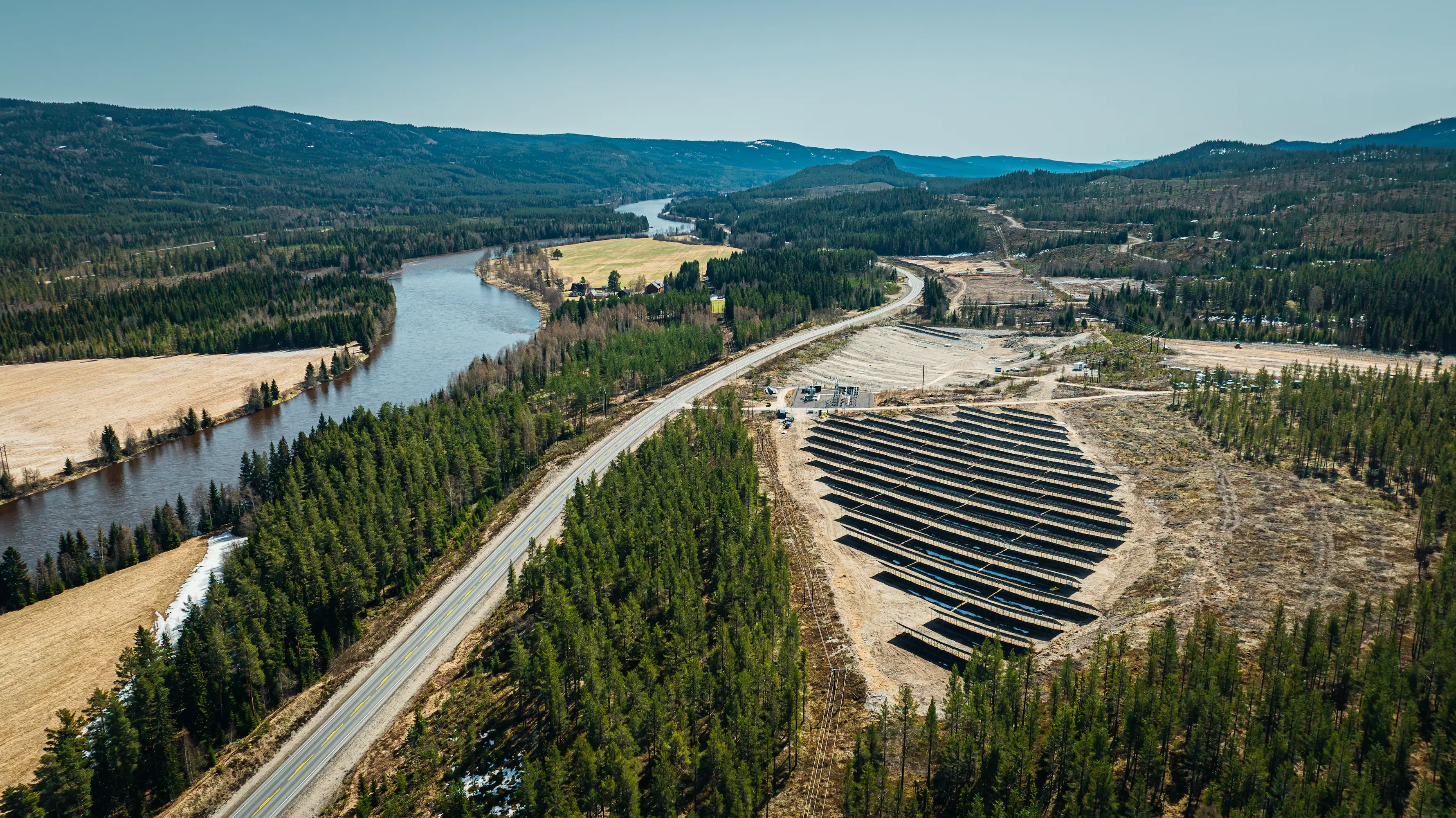
Solar farms
The power stations of the future, run on sunlight
Solsjekk
See what the roof can give – in two minutes
Enter the address and you get a proposed system, annual output and investment. Commercial building, housing co-op or farm.
No sign-in. Solsjekk is our own tool: it reads the roof from aerial imagery and the Norwegian Mapping Authority’s elevation model. The figures are an estimate before a site survey. The tool is in Norwegian and searches Norwegian addresses. Open Solsjekk.
What we deliver
Solar, storage, service and charging
-
Solar for businesses (in Norwegian)
Solar installations on commercial buildings, sized to what the building uses. What the installation gives, what the roof must carry, and how to choose a supplier.
-
Battery and storage
Cut the capacity peak, store your solar output and offer capacity in the reserve markets. We deliver batteries as EPC – including as a retrofit on installations already standing.
-
Service agreement
Annual inspection, drone thermography and remote monitoring with alarm handling. We also take over installations we did not build ourselves.
-
Charging installations
A fast charger sets the monthly peak on its own. We design the installation so a battery absorbs the draw, sparing the grid connection.
BENEFITS
Why invest in solar panels?
There are many good reasons to invest in solar panels. Here are a few of them.
-
See a return straight away
Solar panels on the roof start earning from day one.
-
Cut your electricity bill
Lower electricity costs mean lower running costs for the building.
-
Make the most of public support schemes
Enova has support schemes where solar can form part of an energy measure. The terms change, so we check what applies to your building.
-
Increase the value of the building
A solar installation makes the commercial property fit for the future and raises its value at resale.
WHAT WE STAND FOR
Expertise, experience and logistics
-
Committed to quality and sustainability
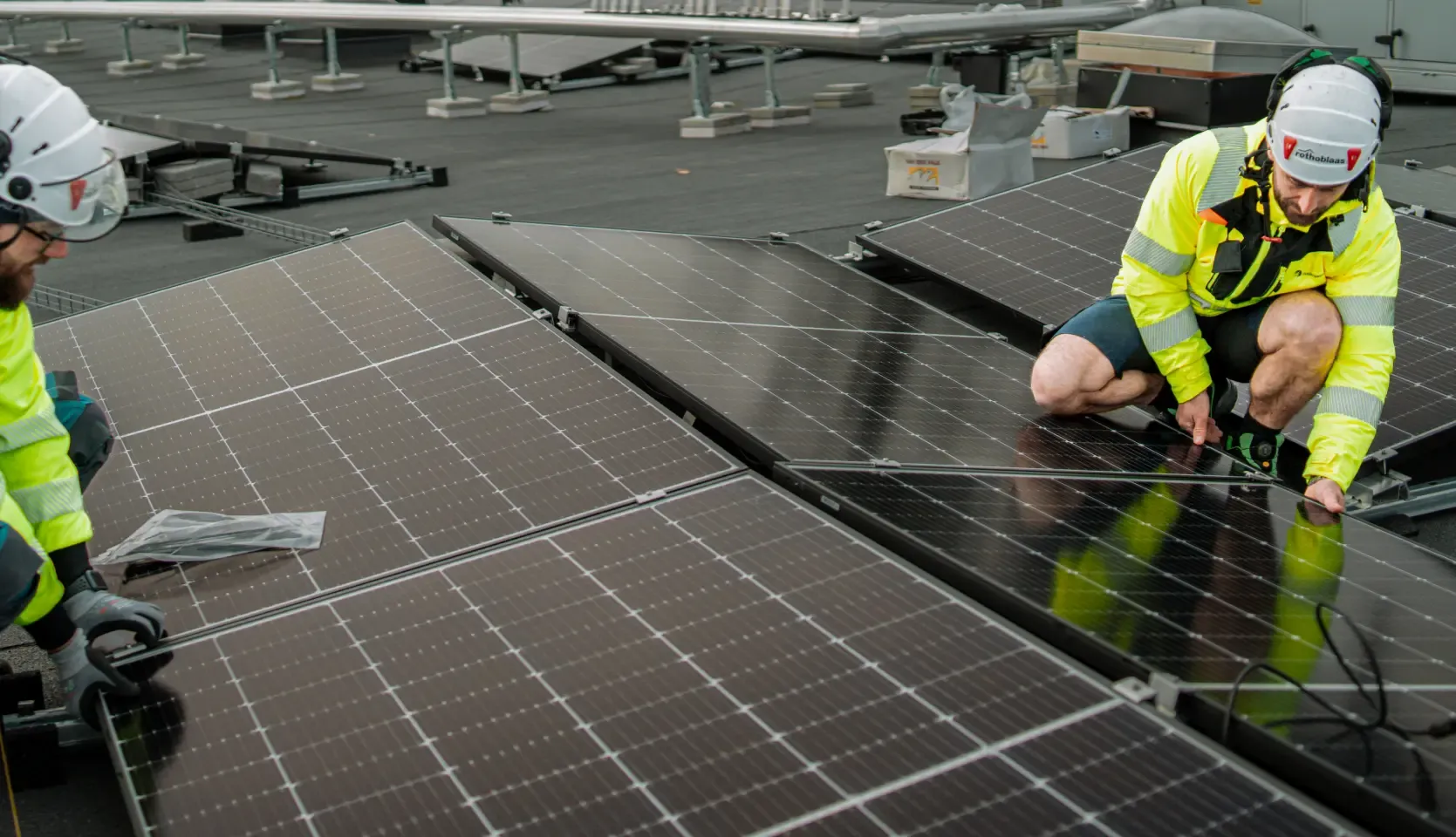
At Solcellespesialisten, craft and quality always come first. Sustainability carries weight in every project, including environmental accounting and oversight of the entire value chain.
-
188 MWp delivered
Our team has installed more than 400,000 solar panels in Norway since 2005, 188 MWp in total. We have tried most things and found what works in Norwegian conditions. To us, every roof is a project worth getting right.
-
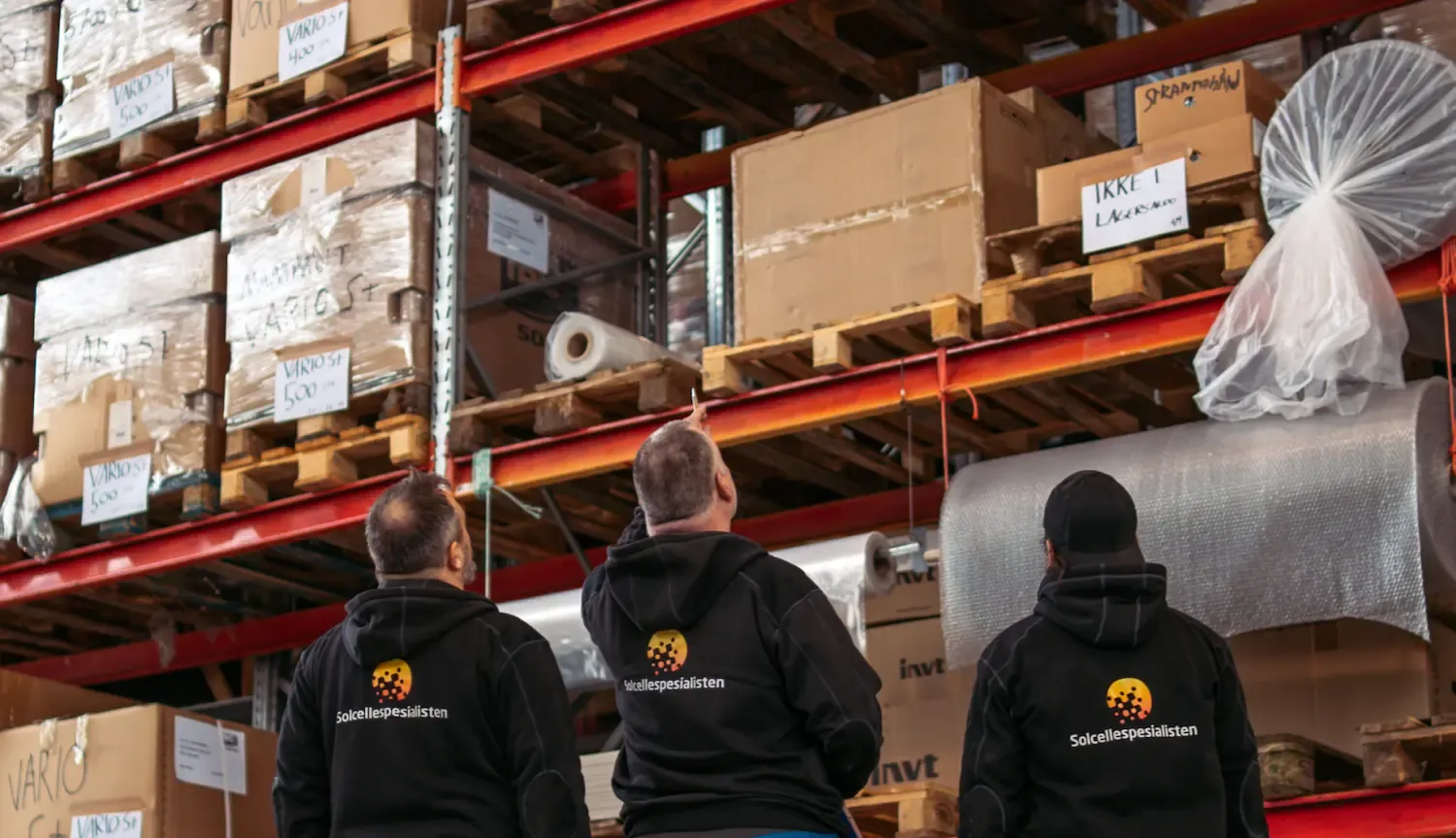
A large central warehouse
We run a large central warehouse with efficient logistics and distribution. That gives our projects predictable timelines and the best possible price.
YOUR PARTNER IN RENEWABLE ENERGY
Financing and bespoke solutions
Solcellespesialisten delivers complete projects for roofs large and small, for agriculture and for large-scale solar farms.
-
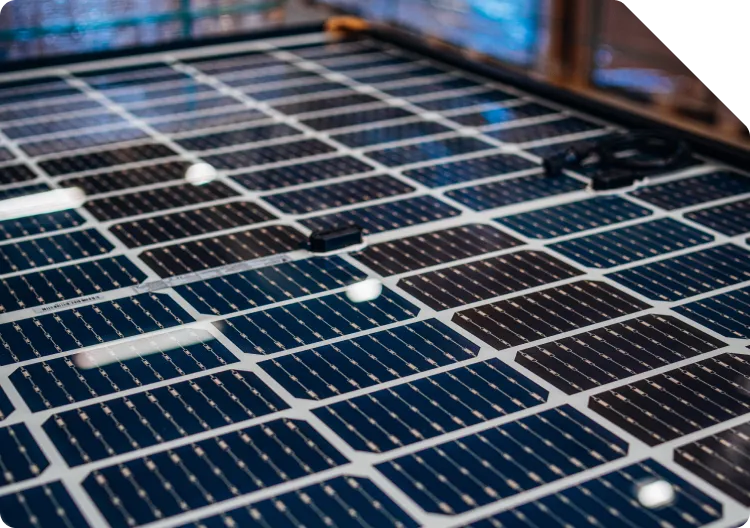
Solcellespesialisten offers both ready-made packages and bespoke designs built around your objectives. If you have particular wishes or requirements, talk to us.
-

We offer leasing and power purchase agreements (PPA) through SunPool, which we own half of, or through Soleie, Pareto and Sunday Power. Each has different strengths. Let us know if you would like leasing or a PPA when you get in touch.
FAQS
Questions and answers
- Installation: before, during and after
- Product and warranty
- Costs and support schemes
- Generation and monitoring
…or can you not find what you are looking for?
Contact usInstallation: before, during and after
-
01. Where can I check the solar conditions on the roof?
You can check the conditions on your roof by searching for your address at solkart.no. For commercial buildings, housing co-operatives and jointly-owned properties, farms and solar parks, you can also contact our advisers at bedrift@solcellespesialisten.no. We are always happy to come out for a site survey.
-
02. Which side of my roof is best suited to solar panels?
South-facing roof surfaces usually give the highest annual output, peaking around the middle of the day. East- and west-facing surfaces generate more in the morning and the afternoon, which spreads production more evenly across the day. In our own PV calculator on solkart.no, a roof in Oslo gives around 1 006 kWh per kWp a year when the surface is pitched 25 degrees to the south, against around 800 kWh per kWp on a flat roof with panels at 10 degrees to the east and west (run on 17 September 2026, P50, 5% system loss, snow and soiling losses included). Shading from neighbouring rows and the surroundings is not included in the figures. Total annual output is somewhat lower, but east/west can suit you particularly well if your consumption is heaviest early or late in the day. This holds for any type of building, whether a housing co-operative, a barn or an industrial building with a flat roof. You get the figure for your own roof in Solsjekk.
-
03. Can I have solar panels on more than one roof surface?
Absolutely – you can install panels across several roof surfaces, which gives you the flexibility to maximise generation. There may be technical limits on the number of panels per surface, and costs can rise with each additional surface because of the extra equipment involved, but we will help you find the best arrangement. This applies whether it is a housing co-operative, a barn or an industrial building with a flat roof.
-
04. Does a solar installation need an application to the local authority?
Whether an application is required depends on the building and the municipality. Simple installations within a single dwelling unit or fire compartment are often exempt, but an application may be needed if the installation affects fire compartments, sits in a conservation area, or is close to the shoreline or a railway line. We help you check this with the local authority before installation.
-
05. Does the installation have to be registered with the grid operator?
Yes, every solar installation must be registered with the grid operator. There is nothing to worry about, though – we handle the entire process for you. All we need from you is your meter number and we take care of the rest. It is part of our commitment to making the move to solar as simple and stress-free as possible.
-
06. When will I get a date for the installation?
Once the quote is confirmed, the project manager agrees the installation date with you. When it can happen depends on the scope of the project, delivery of materials and any applications to the local authority and the grid company.
-
07. What do I do if the materials are damaged?
If the goods are marked "damage recorded", that is a standard supplier routine which we follow up. In most cases only the packaging is damaged and the goods themselves are untouched. If you find that the goods have extensive damage, please call us straight away on 45 72 87 80. We are here to make sure you receive your materials in perfect condition, and we will deal with any problem quickly and efficiently.
-
08. Who installs the panels for Solcellespesialisten?
We have our own experienced installers and electricians. We have the capacity to install around two in three projects with our own employees. The rest are carried out by regular subcontractors we have worked with for many years.
-
09. When is the system commissioned?
As a rule, connecting your installation to the grid is carried out by our own installers. You will receive an email with the exact date of the connection, so you know when to expect your system to go live.
-
10. Do the panels need maintenance?
Solar panels are designed to be self-cleaning, which keeps maintenance simple. How often the installation should be inspected follows the manufacturer’s recommendations. The largest installations should have an on-site inspection several times a year, the smallest every three years. An inspection can include a visual check from the ground, a look at whether the cables are firmly fixed and protected, and a check that the inverter fans are clean. If the panels get very dirty, they can be rinsed gently with water. Avoid brushes and snow shovels – they scratch the surface and void the warranty. For commercial installations, housing co-ops and jointly owned buildings we offer a service agreement with an annual inspection.
Product and warranty
-
01. What is an inverter?
An inverter converts the electricity from the solar panels into electricity that can be used in your building and exported to the grid. It connects both to the solar installation and to the fuse board. It can make a little noise while running, and it has to be positioned correctly to meet fire regulations. Our installers will help you find the best location so that everything works safely and efficiently.
-
02. What kind of solar panels does Solcellespesialisten use?
We offer a range of panels in different sizes, colours and power ratings, matched to the needs of each project. Today we use panels from LONGi, Tongwei, AIKO and JA Solar. For industrial and commercial buildings we weigh performance, roof construction and requirements carefully to find the best solution. Our suppliers are chosen with care for quality and for sustainability. Our aim is to give you the best price without compromising on quality.
-
03. How big is a solar panel?
Panel size varies with the manufacturer and the output. Smaller panels are usually around 1.7 metres tall, while larger panels for industrial buildings can be up to 2.4 metres. We always match the panel to the individual project, so you get the best solution for your roof.
-
04. How much snow can the panels take?
Our panels are built to withstand a Norwegian winter. We always take the snow load into account when planning the installation on your roof. In areas with heavy snowfall we fit an extra rail beneath the panels for added strength and safety. Our project manager assesses the snow conditions carefully before installation, so you can be confident that your panels are robust and ready for winter.
-
05. How much wind can the installation take?
The wind load is calculated for every single installation, not only when the site is exposed. The calculation follows NS-EN 1991-1-4 with the Norwegian national annex, and three things govern the result: the reference wind velocity that applies to the municipality the building stands in, the terrain category – whether the building sits in open country, in dense development or out by the sea – and how tall the building is. The roof is then divided into zones. Uplift in the corners and along the roof edge is several times higher than in the middle of the field, and that is where we add ballast or switch to mechanical fixing. We take the terrain category from map data rather than estimating it, and this article explains how.
Costs and support schemes
-
01. What is included in the price of a turnkey solar installation from Solcellespesialisten?
A turnkey installation from us covers everything: grid notification, design and engineering, mounting, protection, commissioning, AC connection and final documentation. The scope is tailored to each individual project.
-
02. Can we lease the installation or buy its electricity instead of buying the installation?
Yes. We offer leasing and power purchase agreements (PPA) through SunPool, which we own half of, or through Soleie, Pareto and Sunday Power. Each has different strengths. Let us know if you would like leasing or a PPA when you get in touch.
-
03. Who buys my surplus electricity?
The surplus is sold to your electricity supplier under the agreement you have with them, and the terms vary between suppliers. If the installation can export more than 100 kW to the grid, you are no longer a plus customer but a producer, and selling the power requires a separate agreement. We establish which category the installation falls into before it is designed.
-
04. Can I choose whether the electricity my panels generate is used in the building or exported to the grid?
No. Electricity from the panels always goes first to whatever is drawing power in the building. If the panels generate more than the building uses, the surplus is exported to the grid automatically. If the building has a battery or managed charging for electric vehicles, part of the surplus can be stored or used on site instead.
Generation and monitoring
-
01. Do solar panels generate all year round?
Solar panels always generate something as long as they are not covered and daylight is falling on the surface of the panel. In winter there is generally little sun, and snow will cover the panels. We have calculated the seasonal split in our own PV calculator on solkart.no, run on 17.09.2026: in Oslo 97% of the annual output falls between March and October on a flat roof with panels at 10° facing east and west, and 93% on a south-facing roof pitched at 25°. Across the country the share ranges from 91% (Stavanger, south-facing 25°) to close to 100% (Tromsø, flat roof) – the further north, the shorter the season. The assumptions are the same as in our calculator: 5% system losses, crystalline panels, free-standing mounting, a P50 solar year, terrain horizon, and snow and soiling losses included. Shading from neighbouring rows and the surroundings is not included in the figures. You get the figure for your own roof in Solsjekk.
-
02. How can I monitor how much my panels are generating?
All our inverters come with production monitoring in the form of a phone app. The electrician who commissions the installation will set this up and show you how to use it. For businesses and larger installations we offer dedicated monitoring systems with information screens.
-
03. What happens to generation if there is a power cut on the grid?
With a grid-connected inverter, a power cut on the grid stops the inverter delivering electricity. You will not be able to cover your own consumption from the panels while the grid is down either.
-
04. What is the difference between kWp and kWh?
Kilowatt-peak (kWp) is the rated output of each panel under standard test conditions (STC). STC specifies a temperature, irradiance and angle that are only reached in particular circumstances in Norway. Output over the rest of the year is a percentage of the stated kWp. Kilowatt-hours (kWh) measure energy, and are power multiplied by time: a panel generating at 1 kW for one hour has produced 1 kWh of electrical energy.
-
05. What is the difference between DC and AC?
DC stands for direct current and AC for alternating current. Solar cells generate DC. The electricity in buildings and on the grid is always AC, which is why an inverter is needed to convert DC into AC.
Why choose our expertise?
Our team has designed and built roof installations of up to 3,703 kWp. With deep technical insight we turn large roofs into profitable power stations.
-
20 years in the industry
A solid portfolio built up over two decades in the industry
-
188 MWp of delivered capacity
A documented track record on large roof areas.
-
Experts in commercial installations
Bespoke design for industry and complex roof structures.
Would you like to work with us?
Solcellespesialisten is a broad team of very different people, all of whom share a strong commitment to renewable energy.