
Battery and energy storage (BESS)
Your demand peak is a cost. A battery turns it into a saving.
The effektledd — the capacity charge in your grid tariff — is billed on the single highest hour of demand your building records each month. A correctly sized battery shaves that hour, and it can also store your solar output, work the price differences across the day and offer capacity in Statnett’s reserve markets. If it is designed for it, the battery can also keep essential loads running when the power goes.
How we deliver
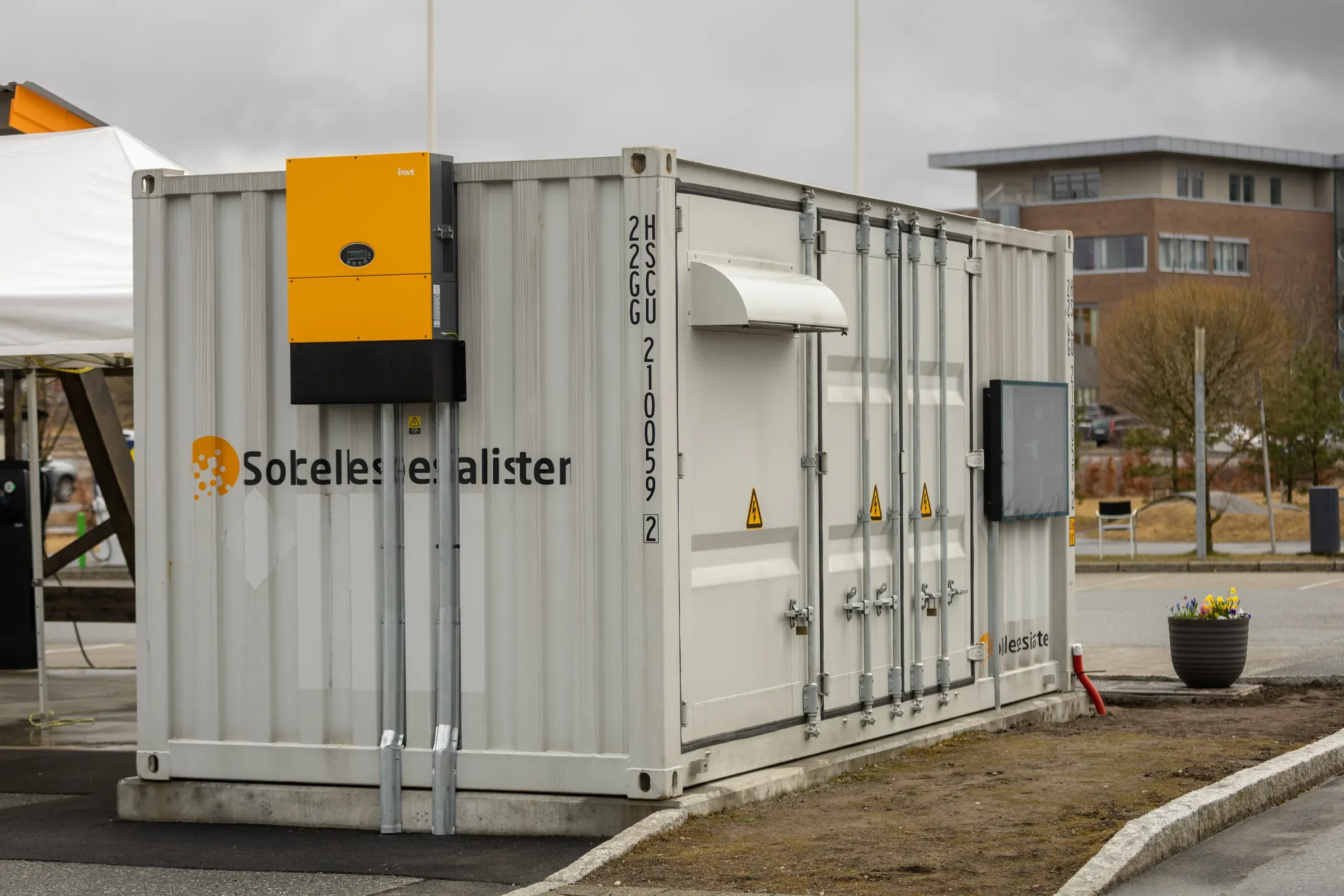
How we deliver batteries
We deliver batteries as EPC, that is, as a turnkey delivery: we engineer the installation, build it, file the nettmelding (the grid connection notification) with the grid company and commission it. The engineering follows fel, NEK 400 and the battery standards NEK 486 and NEK 488, and NHO Elektro’s technical guide to battery installations (2026). The solution rests on a written risk assessment that is complete before work starts.
-
Battery with a new solar installation
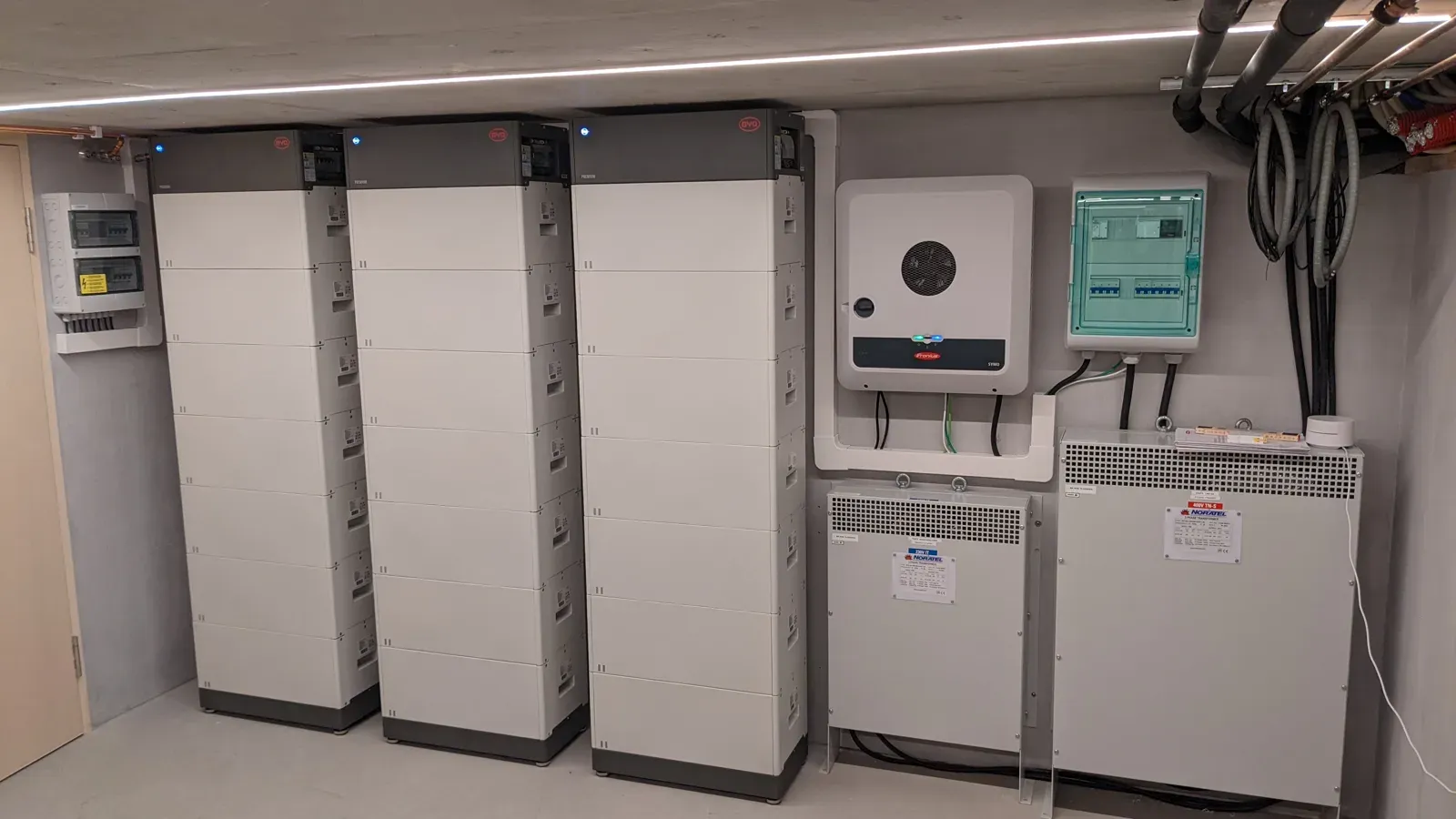
The battery is designed in from the start, alongside the solar installation. That leaves us free to choose AC or DC coupling to suit the installation.
-
Battery on its own
A standalone cabinet or container connected to your existing electrical installation. You do not need solar for a battery to pay off — the capacity charge is cut either way.
-
Battery on an existing solar installation
If the inverter is on the roof and the battery is to stand at ground level, AC coupling is often the simplest: the battery gets its own battery inverter, in addition to the inverter already in place. The other route is to swap the inverter for a hybrid inverter and connect the battery on the DC side. That puts a battery within reach of installations already standing, including installations our team has delivered. We assess each installation on its own merits.
-
Backup power and island operation
The battery can be designed to supply selected loads when the grid goes down. This is called island operation. The loads that are to stay on get a dedicated circuit or distribution board, and disconnection from the grid, earthing and protection have to be planned from the start. We also deliver island operation combined with a generator. Before we hand the installation over, we always test the switchover to island operation. During engineering we work out what is possible in your building, and how long the battery can keep the loads running.
The arithmetic: what a shaved kW is worth
The effektledd in the nettleie (the capacity element of the grid rent) is billed on the site’s highest hour of demand in each calendar month. That is the hour the battery shaves — and every kW you remove permanently, you remove from all twelve months.
Rates for commercial customers using more than 100 000 kWh a year, excluding VAT:
| Grid company | Winter (Oct–Mar) | Summer (Apr–Sep) | Per kW per year |
|---|---|---|---|
| Elvia, low voltage | 111 kr/kW/month | 46 kr/kW/month | 942 kr |
| Glitre Nett, low voltage | 99 kr/kW/month | 33 kr/kW/month | 792 kr |
| Glitre Nett, high voltage | 88.50 kr/kW/month | 29.50 kr/kW/month | 708 kr |
An example
A commercial building in Elvia’s network has a demand peak of 500 kW. The battery shaves that peak to 350 kW every month. The saving on the capacity charge is 150 kW × 942 kr = around 141 000 kroner a year, excluding VAT. If the building sits in Glitre Nett’s area, the same reduction is worth around 119 000 kroner.
As a rule of thumb, every kW you shave permanently is worth 710–940 kroner a year, depending on the grid company. The winter half of the year accounts for 70–75 per cent of the value.
Assumptions: the rates are set by the grid companies and they change. Elvia’s rates apply from 1 July 2026, Glitre’s from 1 September 2025. See the tariff sheets from Elvia and Glitre Nett for current prices. The saving assumes the battery is sized, in both kW and kWh, to shave the peak every month. Fixed charges and reactive power are unaffected.
Return
Four ways the battery earns — at the same time
The revenue streams stack. The same battery can earn from several of them at once, and it is the stacking that decides the payback period. Resilience is not on the list, because it earns nothing. But a battery designed for backup power can matter a great deal on the day the grid goes down.
-
1. A lower capacity charge
The battery charges when demand is low and covers the peaks, so the month’s highest draw falls. This is the most certain of the four: it is independent of power prices and markets, and it applies to everyone on an effekttariff (a demand-based grid tariff).
-
2. More of your own solar used on site
The midday surplus is stored and used in the evening instead of being sold cheaply. The value is the difference between what you are paid for exported power and what you pay for imported power, including nettleie (grid rent) and levies.
-
3. Price arbitrage
Charge in the cheap hours, use or sell in the expensive ones. It pays best in price areas with wide swings across the day, and it comes on top of the first two without adding anything to the investment.
-
4. The reserve markets
Statnett pays for capacity held ready to stabilise the frequency of the grid — FCR-N, FCR-D, aFRR and mFRR. This is the stream that can halve the payback period, and it requires prequalification and a balance responsible party.
The reserve markets, and who does what
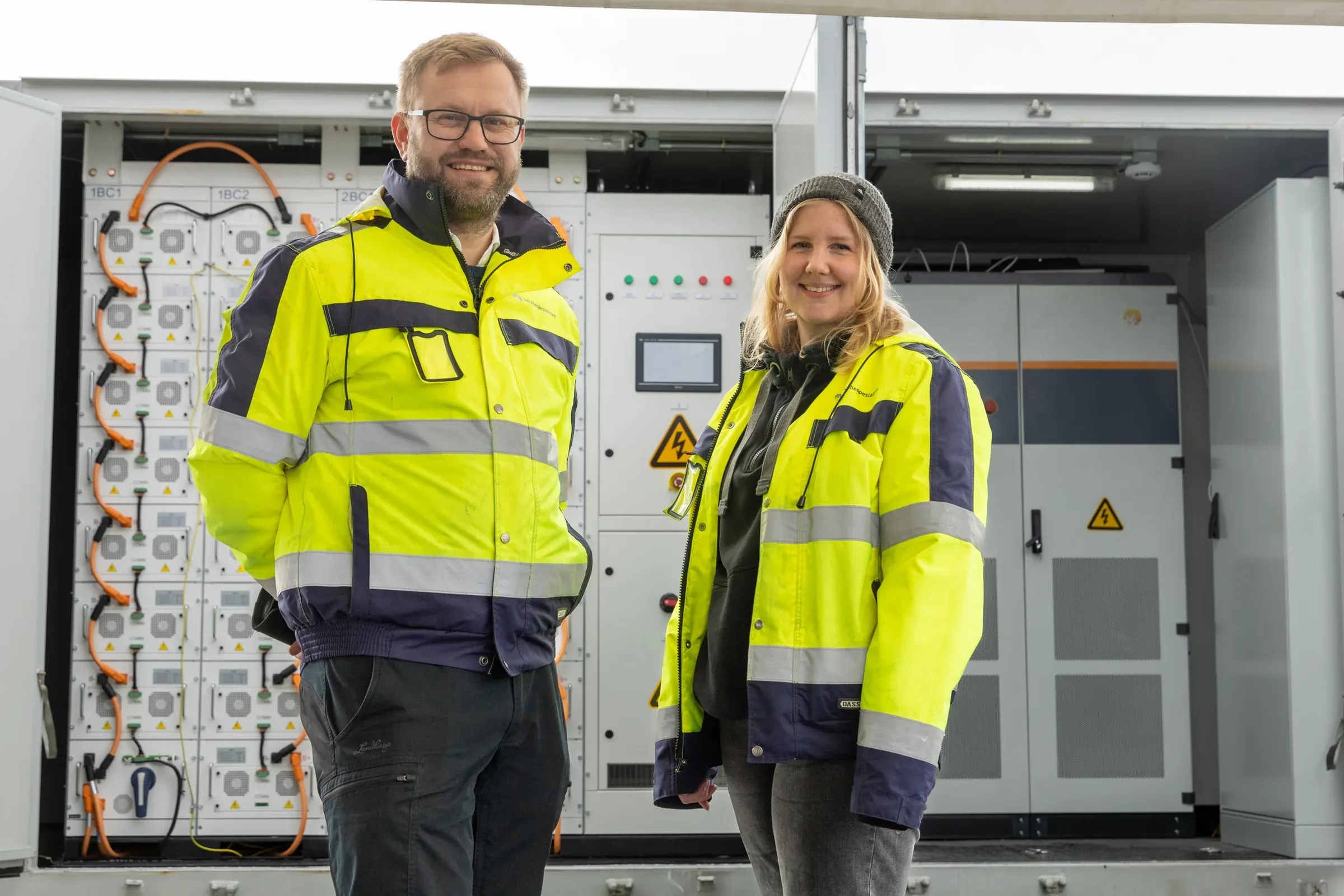
EnergiSmart has entered into a partnership and distribution agreement with Fifty Energy for the optimisation of battery systems in FCR-N, FCR-D, aFRR and mFRR. The roles divide as follows:
- EnergiSmart delivers the system and its controls, and holds the role of technical aggregator.
- Fifty Energy’s platform optimises operation and bids the capacity into the markets.
- Elmera Energy is the balance responsible party, and is the one participating in the market on the system’s behalf.
What Statnett requires
- The minimum bid is 0.1 MW in FCR-N and FCR-D, and 1 MW in aFRR.
- Prequalification with Statnett. The battery must be tested and approved before it can bid capacity. Small resources that have to be pooled to reach the minimum bid are prequalified through Statnett’s flexibility register.
- A balance responsible party and an aggregator. Participation runs through a balance responsible party, and in aFRR through an approved balancing service provider (BSP), with an aggregator that controls the battery and bids its capacity.
- The battery must hold back more than it bids. In FCR-N, Statnett requires a battery to reserve 134 % of its capacity and energy for one hour of delivery.
If the battery is too small to bid, or you want it for your own needs, the first three revenue streams above are the ones that apply. On their own they are enough to justify a battery.
What the market has paid
Statnett’s own calculator shows that the average price in price area NO1 over the past twelve months has been 291 kr/MW/h for FCR-N and 240 kr/MW/h for FCR-D up. At twelve hours of participation a day, that corresponded to something of the order of 1–1.3 million kroner per MW a year, before activation compensation.
These are historical market prices, not a promise. Prices in the reserve markets move, and the income depends on how much capacity the installation can actually make available. Capacity you set aside for the reserve market is capacity no longer free to shave demand peaks — a trade-off the control system makes continuously, and one we set up together with you.
Payback period
The payback period depends on the demand profile of the building, your grid company’s tariff, the price area you sit in, and whether the battery is to take part in the reserve markets.
- Under 10 years where the battery is used behind the meter — peak shaving against the effekttariff, more of your own solar used on site, and price arbitrage.
- Under 5 years where the installation is also offered into the reserve markets.
We do the arithmetic for your building before you decide. We need your consumption profile and your grid tariff agreement, and you get a calculation with the assumptions visible — not a round number.
Next steps
From enquiry to operation
-
Step 1
Consumption and purpose
You send us your consumption profile and your grid tariff agreement and tell us what the battery is for: shaving demand peaks, storing solar power, providing backup power or taking part in the reserve markets. The purpose decides the balance between kW and kWh.
-
Step 2
Calculation
We work out what the battery is worth in your building, and you see which figures we used.
-
Step 3
Site visit where needed
If we need to see the building, we visit the site and look at the electrical installation, the grid connection and where the battery can stand.
-
Step 4
Risk assessment
Requirements from the insurer and the fire service are clarified early. The placement is decided in a written risk assessment.
-
Step 5
Engineering and construction
We choose the system and AC or DC coupling, notify the grid company and build the installation.
-
Step 6
Commissioning and handover
The installation is tested and commissioned. You get the final documentation and a walk-through of how the installation is to be operated. We can prepare the emergency plan the installation must have, and the signage at the installation, as an add-on.
-
Step 7
Service
After handover you can sign a dedicated service agreement for the battery. It matters for keeping the warranty, and the content is tailored to the installation.
Scale
From cabinet to container
-
Size
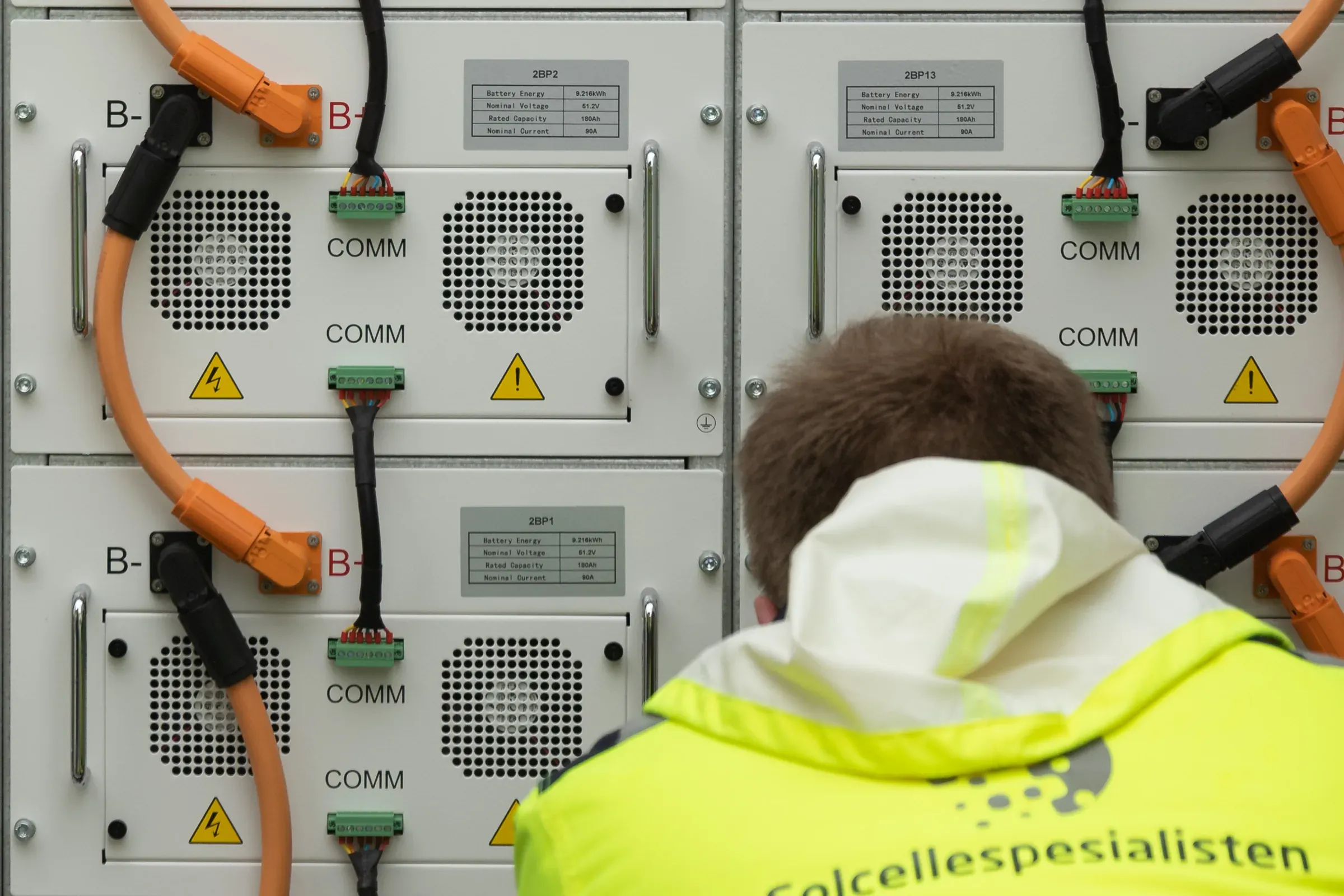
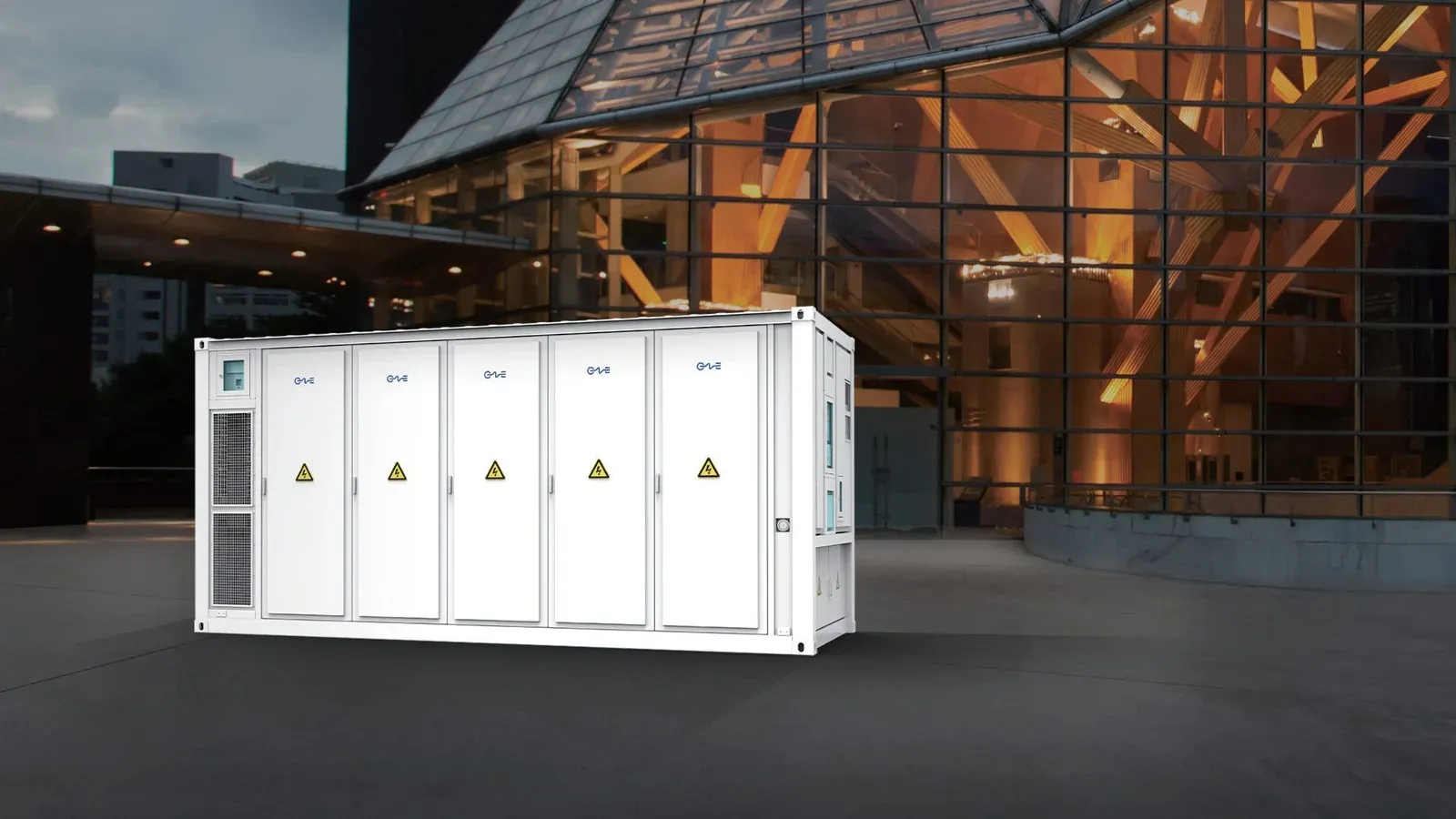
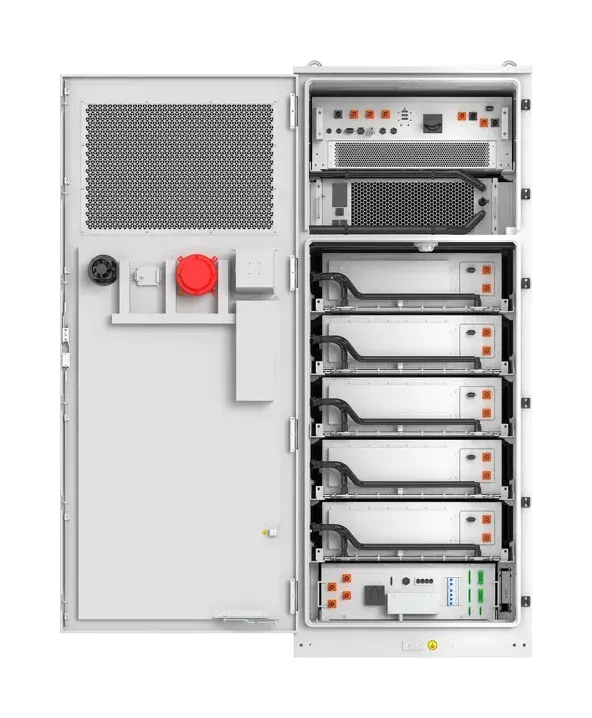
The standard range starts at cabinets from around 261 kWh and runs up to container solutions in the MWh class. Smaller batteries are possible when retrofitting with a hybrid inverter. The capacity of the hybrid inverter then sets the limit.
-
What we have delivered
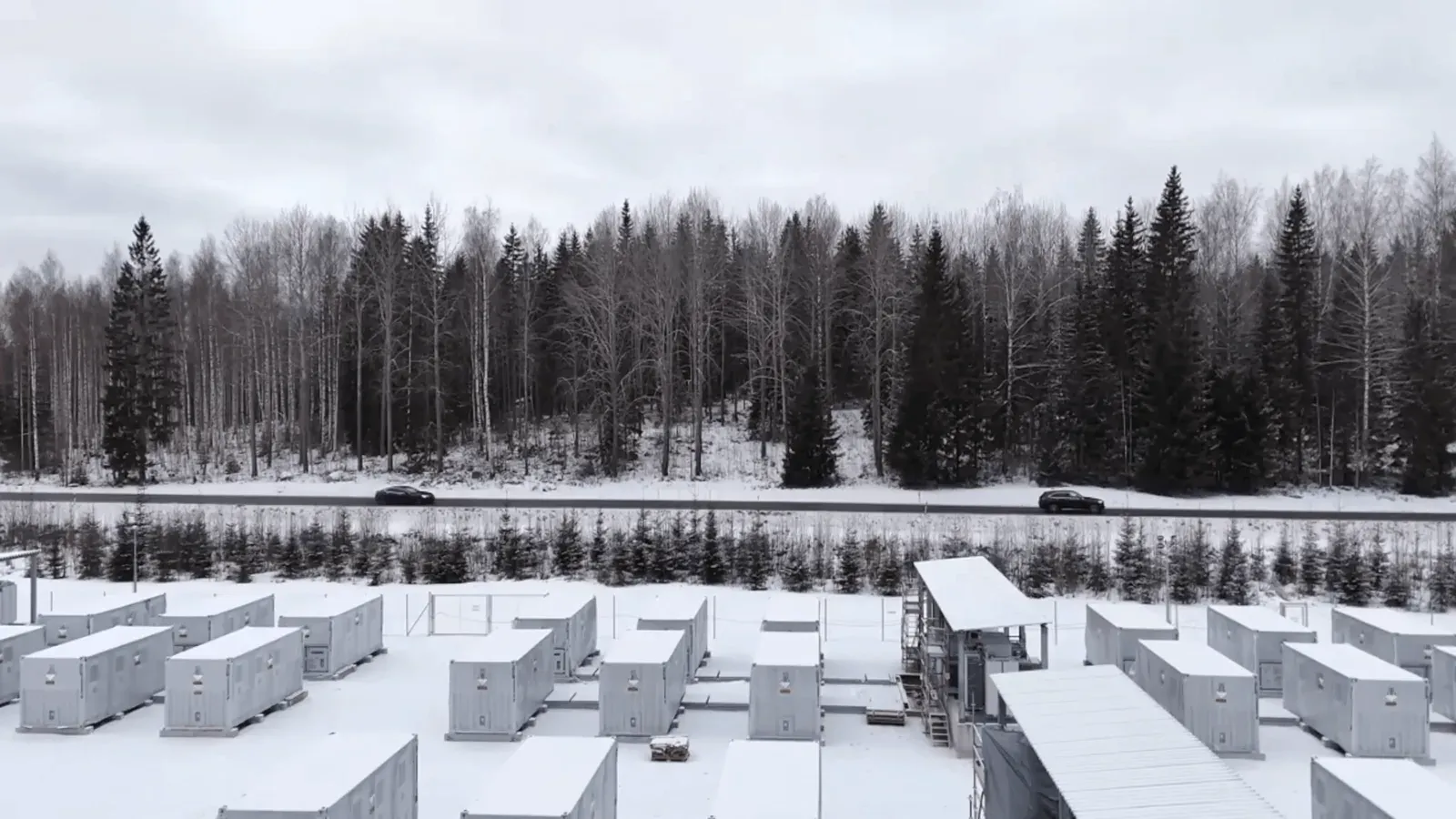
We have delivered installations from around the 100 kWh class up to 750 kW / 1 566 kWh, and we engineer installations in the MW class. In practice there is no upper limit that stops us.
-
Warranty and service
We pass on the manufacturer’s warranty for the system you get. Depending on the supplier that means up to 10 years and up to 10 000 cycles — we go through the actual terms for your system in the quotation. For most systems the warranty requires documented maintenance. For that we offer dedicated service agreements for batteries, tailored to the installation.
Safety and regulations
A battery installation is an electrical installation, governed by the Norwegian Regulations on Electrical Low-Voltage Installations (fel). Fel refers to NEK 400 as the recognised method. NEK 400:2026 has a dedicated part for battery installations (8-806), which in turn refers to NEK 486 for lithium-ion batteries. NEK 488 adds requirements for the energy storage system as a whole. The work must be carried out by a registered electrical contractor. Read more about the requirements (in Norwegian).
The design must rest on a written risk assessment. It has to be in place before work on the electrical installation begins, and where the battery is placed is one of its most important parts.
Placement. As a rule, the battery should stand outdoors, at a distance from buildings and combustible material. If that is not possible, a separate building is the next choice. Indoors, it should normally have its own fire compartment, away from escape routes and rooms where people spend time. Ventilation and gas detection are matched to both the battery and the room. Read about fire safety and placement (in Norwegian).
Notification and clearances. The installation must be notified to the grid company before work starts (fel § 14). The insurer and the fire service should be involved early, as insurance requirements can be stricter than the regulations. In an existing building the work may also require a permit under the Planning and Building Act.
Operation and inspection. The owner is responsible for keeping the installation in a condition that meets the regulations, but should not work on it. Maintenance follows the manufacturer's plan and is done by qualified professionals. The installation must have an emergency plan, and an installation with a battery should be inspected more often than an equivalent one without. Read about inspection and emergency planning (in Norwegian).
Source: NHO Elektro (2026): Teknisk veileder Batterianlegg (technical guide to battery installations), chapters 3, 6 and 7, and the regulations it refers to (fel, NEK 400:2026, NEK 486:2021, NEK 488:2024).
Questions and answers
About batteries for commercial customers
…or can you not find what you are looking for?
Contact us-
01. Do I need solar to get value out of a battery?
No. A battery shaves the demand peak whatever the power comes from, and the capacity charge is often the largest single item the battery pays down. Solar improves the arithmetic, but it is not a precondition.
-
02. Can I add a battery to a solar installation I already have?
Yes, including installations that have been standing for years. The battery is connected either on the AC side with its own battery inverter, in addition to the inverter you have, or on the DC side by swapping the inverter for a hybrid inverter. Where the inverter is on the roof and the battery at ground level, AC coupling is often the simplest. More on AC and DC coupling (in Norwegian).
-
03. Do you supply AC-coupled or DC-coupled batteries?
Both. With AC coupling the battery gets its own battery inverter and is independent of the solar installation, which makes it easier to combine equipment and replace components later. DC coupling with a hybrid inverter means fewer conversions and so lower losses, but the hybrid inverter and the battery have to be compatible. We choose to suit the installation (NHO Elektro, 2026, ch. 3.1.2).
-
04. How large does the battery have to be to earn in the reserve markets?
Statnett sets the requirements. The minimum bid is 0.1 MW in FCR-N and FCR-D and 1 MW in aFRR, and the battery must be prequalified with Statnett and take part through a balance responsible party and an aggregator. If the battery is too small to bid, the return comes from reducing the capacity charge, using more of your own solar on site, and price arbitrage.
-
05. Is the income from the reserve markets guaranteed?
No. Prices in the reserve markets are set by the market and they move. The figures we show are historical average prices from Statnett, and they say what the market has paid — not what it will pay. That is why we always work out the return behind the meter first, and treat the reserve market as something that comes on top.
-
06. Which systems do you supply?
Cabinets from GoodWe, Huawei, Sungrow, CNTE and JA Solar, and container solutions from CNTE, Huawei and Cube Energy. We choose the system to suit the project, not to suit one fixed supplier.
-
07. What is a BESS?
BESS stands for Battery Energy Storage System. The term covers the whole system: the battery cells and modules, the battery management system (BMS) that monitors voltage, current and temperature, the inverter that converts between DC and AC in both directions, and the controls that decide when the battery charges and discharges. In a commercial building a BESS sits in cabinets, a container or a dedicated room. It is used to shave demand peaks, store solar power, provide backup power during outages and deliver services to the grid.
-
08. Is LFP safer than NMC?
LFP (lithium iron phosphate) generally tolerates heat better than NMC (nickel manganese cobalt), and a fire is often less intense. However, the gas released by an LFP cell in thermal runaway can contain a high share of hydrogen. In a poorly ventilated room that creates an explosion risk. Chemistry alone therefore does not determine how safe an installation is. The product, its certification, placement, ventilation and detection have to be assessed together (NHO Elektro, 2026, ch. 2.3). More on LFP and NMC (in Norwegian).
-
09. Where should the battery be placed?
That is decided by a risk assessment for your specific installation. As a rule, the battery should stand outdoors, well away from buildings and combustible material. The next choice is a separate building, then a dedicated fire compartment inside. The battery should not be placed in escape routes, by exits or in rooms where people spend long periods. The fire resistance of the compartment must at least match what the building requires of its other fire-compartment walls (NHO Elektro, 2026, ch. 3.2.6). Fire safety and placement (in Norwegian).
-
10. Can the battery supply power during an outage?
Yes, but only if the installation is designed and built for intentional island operation, meaning it supplies selected loads while disconnected from the grid. An ordinary grid-connected battery disconnects when the grid goes down, just like the solar installation. That is a safety requirement. For island operation, disconnection from the grid, earthing, protection and which loads are to stay on all have to be planned from the start (NHO Elektro, 2026, ch. 3.1.3). We design and deliver battery installations with island operation and backup power, including in combination with a generator. Raise it early and we will include it in the sizing. Backup power and island operation (in Norwegian).
-
11. Does the battery have to be notified to the grid company and the insurer?
Yes to the grid company. The installation must be notified before work starts (fel § 14), and we notify it as part of the delivery. The insurer should also be told early, as insurance requirements can be stricter than the regulations and vary between companies. The local fire service should be involved where relevant. In an existing building the work may also require a permit from the municipality (NHO Elektro, 2026, ch. 3). More on the requirements (in Norwegian).
-
12. How often should the battery installation be inspected?
There is no single fixed interval. It is set according to the installation, its use, the maintenance and the risk assessment, with the manufacturer’s recommendations weighing heavily. The guide uses four years as an example for electrical installations in commercial buildings, and recommends more frequent inspection for installations with a battery than for equivalent ones without (NHO Elektro, 2026, ch. 7.2). Maintenance between inspections follows the manufacturer’s plan and is done by qualified professionals. We offer dedicated service agreements for batteries. Documented maintenance also matters for keeping the battery warranty. Inspection and emergency planning (in Norwegian).
-
13. How long is the warranty on the battery?
We pass on the manufacturer’s warranty for the system you get. Depending on the supplier that means up to 10 years and up to 10 000 cycles. We go through the actual terms for your system in the quotation. For most systems the warranty requires documented maintenance, which is why we offer dedicated service agreements for batteries.
-
14. Can the battery both shave demand peaks and take part in the reserve market?
Yes, but not fully on both at once. Capacity reserved for the reserve market is not available to shave a demand peak in the same hour. The control system makes that trade-off continuously, and we set it up around what gives your building the most.
Articles (in Norwegian)
Technical articles on battery installations
Based on NHO Elektro’s technical guide to battery installations (2026) and the regulations it refers to. The articles are in Norwegian.
-
Requirements and regulations
Fel, NEK 400, NEK 486 and NEK 488, notifying the grid company and who may install.
-
Fire safety and placement
Where the battery should stand, fire compartments, ventilation and gas detection.
-
LFP or NMC?
What battery chemistry means for fire, explosion risk and certification.
-
Sizing: kW, kWh and C-rate
How large the battery should be, and whether to connect it on the AC or the DC side.
-
Backup power and island operation
What has to be in place for the battery to supply power when the grid goes down.
-
Operation, inspection and emergency planning
The owner’s responsibility, inspection intervals and what the emergency plan must contain.
-
Buying a battery installation
What to require of the supplier before, in and after the tender. With a checklist.
-
Demand charges and grid tariffs
How to work out what a shaved demand peak is worth to the business.
Want to know what a battery is worth for your building?
Send us your consumption profile and your grid tariff agreement, and we will work it out and show you the assumptions behind the figure. If the battery is also to provide backup power, tell us which loads must stay on, and we will include them in the sizing.